Edmonton Case Study
When Mark and Lisa moved into their Edmonton home, they loved everything about it, except the rising electricity bills. They were paying $206 per month. Scroll below to see how they will save $48k in lifetime electricity savings.
Edmonton Family Cut Their Power Bill to Almost Zero with Solar
In July 2024, they decided to take control of their energy costs by installing a 10.35 kW solar system through a local installer. With Alberta's Net Billing program, every extra kilowatt-hour their panels generated in the summer rolled forward as credits toward their winter bills, balancing out seasonal usage.
| Key Results, Edmonton AB | Result |
|---|---|
| Average Monthly Bill Before Solar | $206.08 |
| Average Monthly Bill After Solar | -$11.72 |
| Monthly Bill Reduction | $217.80 |
| Annual Bill Savings | $2,613.60 |
| Lifetime Savings (25-30 years) | $48,282.85 |
| Break-Even Year | Year 9 |
These numbers are estimates and may vary depending on your usage, location, and incentive eligibility.
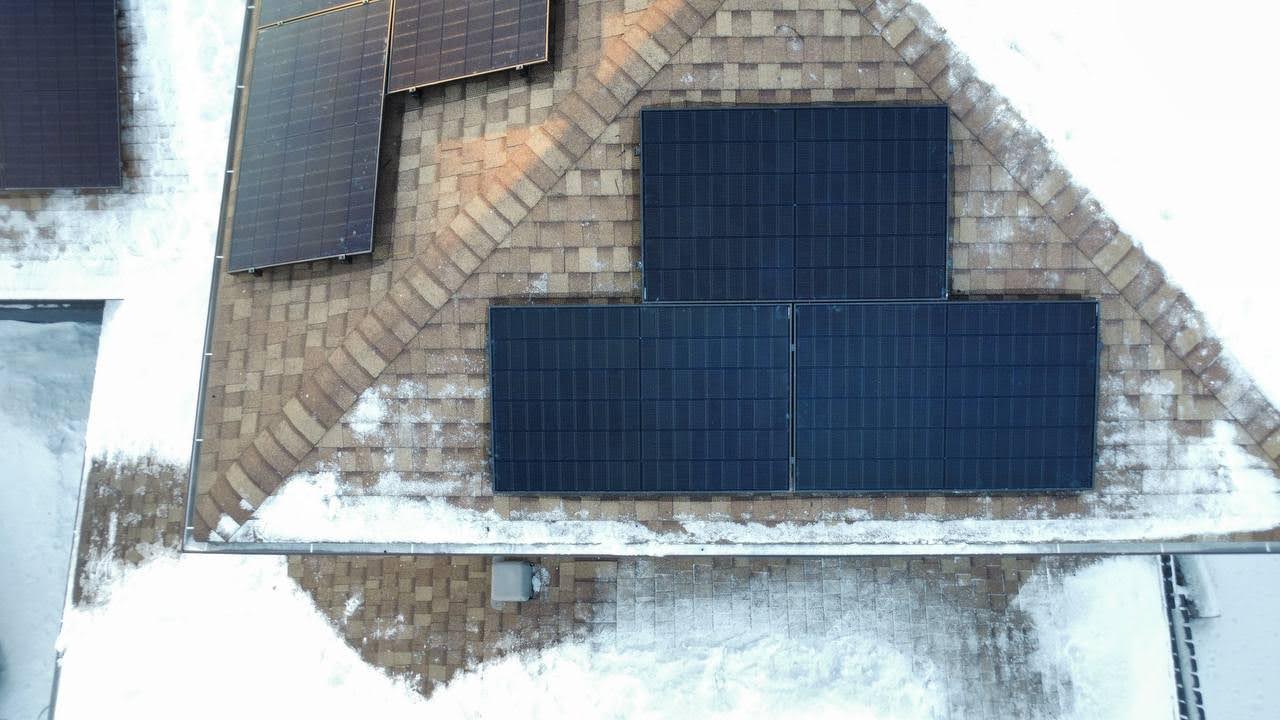
Solar Panels in Snow?
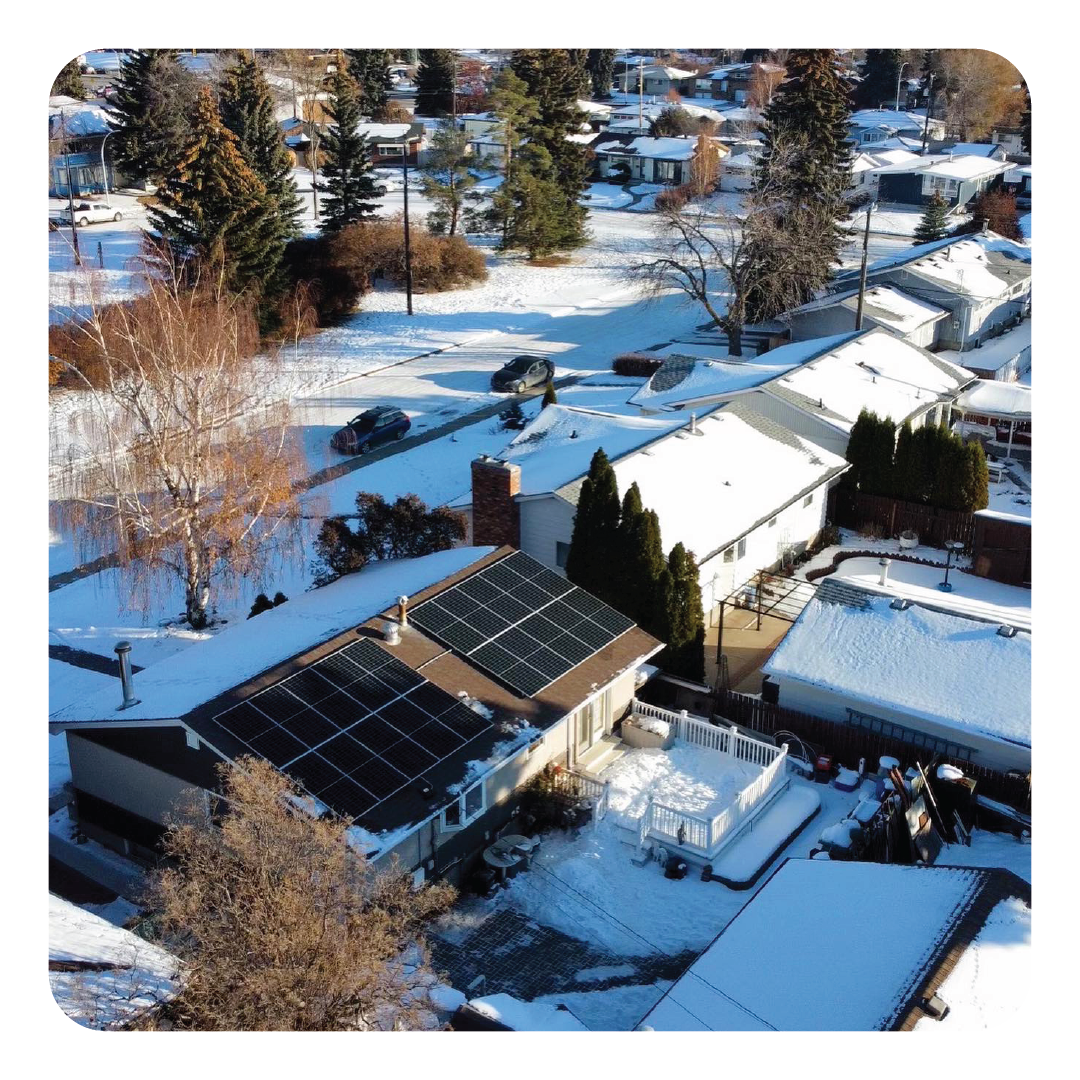
A common myth is that solar panels aren't economical in Alberta due to snow and winter. This is false thanks to net billing and long summer days.
A photo of the Edmonton solar panel system in winter. The system was installed on a south-facing roof, and the steep pitch helps snow slide off within a day or two of snowfall. Meanwhile, summer production is so strong that credits carry through the entire winter.
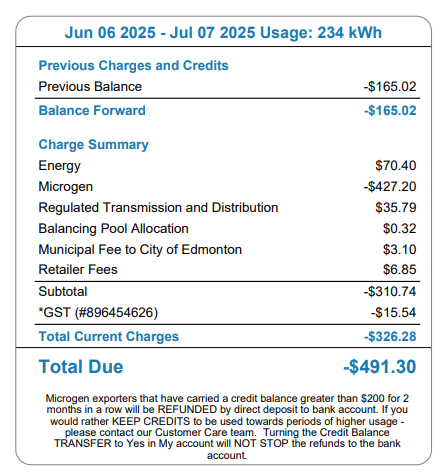
Their Electric Bill with Solar
The June 2025 bill shows how solar dramatically offsets electricity costs. While the homeowner used 234 kWh, their solar system exported far more to the grid. Because solar overproduction rolls forward or gets refunded, these monthly credits accelerate the system's ROI timeline, helping the homeowner reach break-even years sooner.
This will result in over $48,000 in lifetime electricity savings as the solar system will produce optimal output for 25-30 years.
Monthly Production vs Consumption
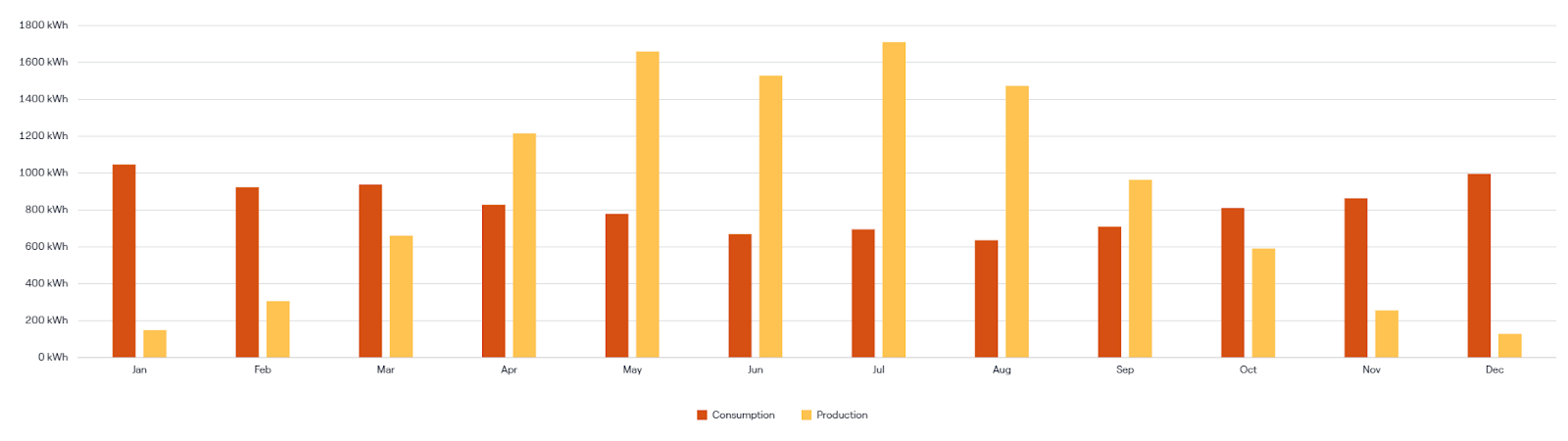
This chart shows the home's monthly solar panel energy production vs how much energy the home used. The summer months' excess helps power the home throughout the year thanks to net billing.
SolarEdge Inverter Data
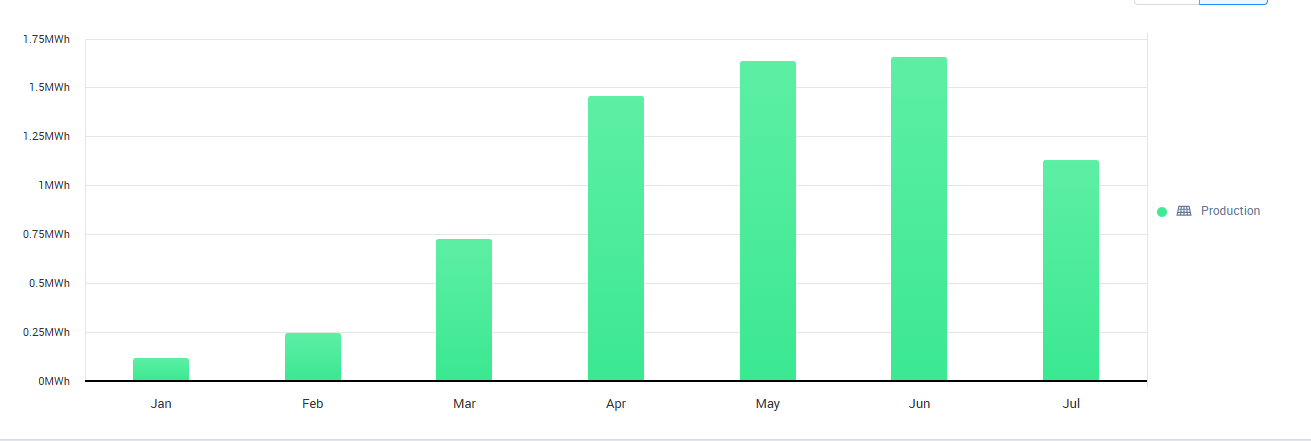
Chart showing how many Megawatt Hours were produced by the solar panels. The system is a strong performer given Edmonton's 2,345 annual sunshine hours.
Power your home the right way
If you live in Alberta, the combination of Net Billing and the CEIP Loan could help you achieve similar results. Every home is different, but with long summer daylight hours and competitive installation rates, Alberta remains one of the best places in Canada to go solar.

Your home without solar energy
- $250 average monthly electricity bill
- 10-Year Cost: $30,000 (assuming no rate increases)
- Continued dependence on utility companies
- No long-term savings or added home value

Your home with net billing solar energy
- No upfront cost CEIP solar loan payment
- Ownership of your power generation system
- 20+ years of low cost electricity after loan payoff
- Protection against future rate hikes
- Energy independence and savings
Maximize your energy savings in three simple steps
Request your free solar savings estimate
An energy consultant will help design the perfect system for your home's unique energy needs.
Create your personalized solar investment plan
We offer a variety of financing options to make solar more affordable to fit your budget.
Let our expert solar team handle the rest
From incentives applications, installation to activation, our experts are with you every step of the way.
Explore financial options and solar savings potential
Energy costs are expected to keep rising, but yours don't have to. Take the first step towards energy independence by getting your free, personalized solar savings estimate before programs end.
- Save upwards $45,000 in lifetime electricity costs
- Protect your monthly finances from energy price increases
- Offset up to 100% of energy usage with solar
Apply for
remaining incentives
Be Your Local Captain Planet
Pay Year Around Low Bills with Net Billing
Own your home
energy system
Claim your solar savings before it's too late
Across Alberta we have helped over 1,355+ homes and businesses go solar. The CEIP no upfront loan and net billing solar program incentives won't last forever.