Home Battery Storage
for Alberta Homeowners
Pair battery storage with solar for evening coverage and backup power. Eligible for CEIP financing in most participating municipalities.
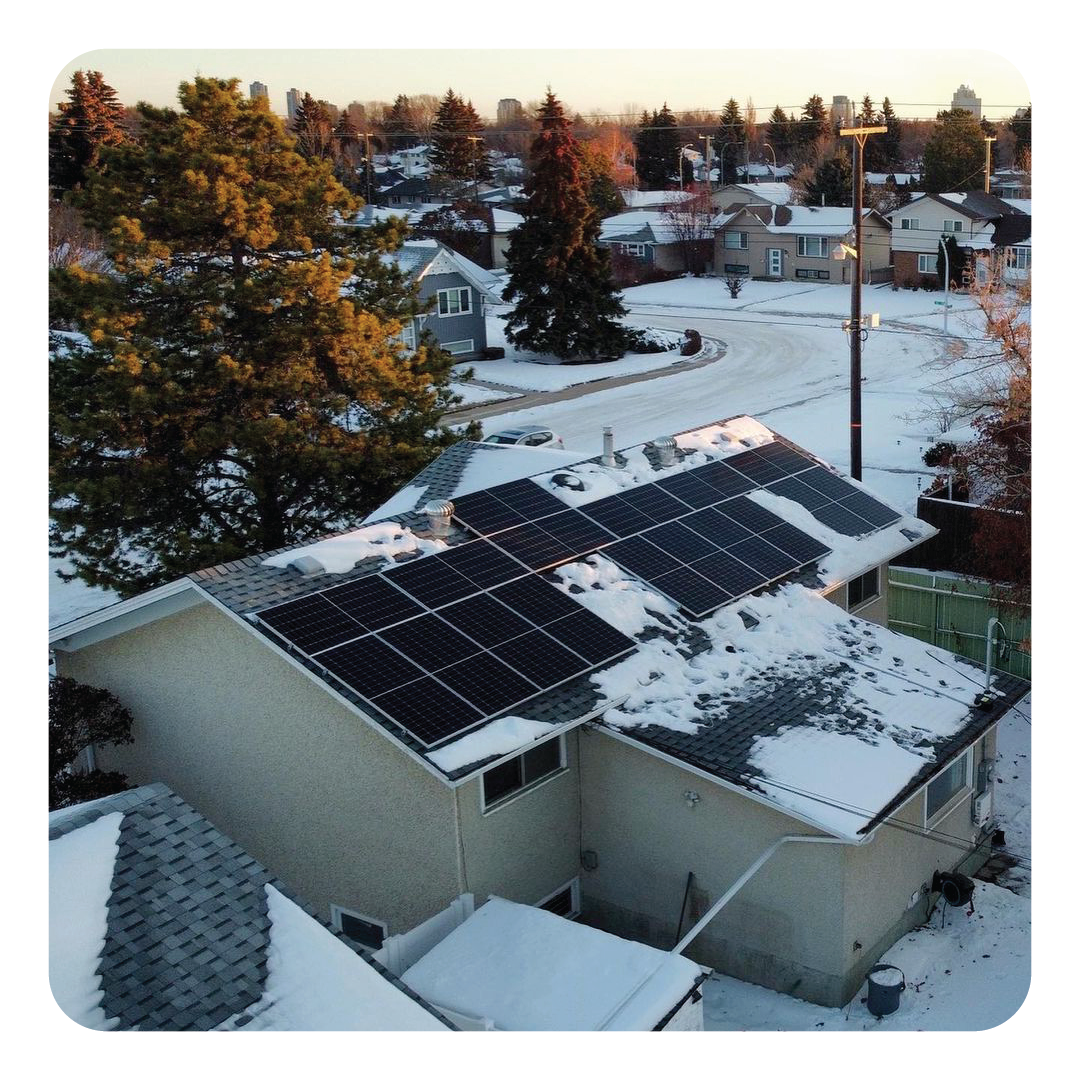
What a Home Battery Does for Your Solar System
Without battery storage, solar panels reduce your grid draw during daylight hours and export any surplus to your utility for net billing credits. That works well, but you're still drawing from the grid in the evening and overnight when there's no solar production.
A battery changes that equation. Excess production charges the battery during the day. In the evening, your home draws from battery storage first before pulling from the grid. Depending on your usage pattern and battery capacity, you can cover a significant portion of your evening consumption from stored solar rather than purchased electricity.
Why Battery Pairs Well with Alberta Net Billing
Alberta's net billing framework credits exports at the retail rate with 12-month rollover, which is already a strong deal. A battery doesn't make net billing more valuable, but it adds a layer that net billing can't provide: backup power during grid outages. For rural properties or homeowners in areas with aging grid infrastructure, that peace of mind has real value beyond the bill savings.
Key Benefits
Evening and Overnight Coverage
Use stored solar power after sunset instead of drawing from the grid at full retail rate. Most Alberta households have their highest consumption in the evening hours.
Backup Power During Outages
A properly configured battery-plus-solar system can keep essential circuits running during grid outages. Useful for rural properties and areas with weather-related reliability concerns.
CEIP Eligible in Most Municipalities
In municipalities with active CEIP programs, battery storage can be bundled with your solar installation in the same loan application, up to the $50,000 program maximum.
25-Year System Integration
Modern lithium iron phosphate battery systems are designed to operate in tandem with solar for the full system life. Warranty coverage varies by manufacturer, typically 10 years on capacity.
Frequently Asked Questions
No, a battery can be installed as a standalone system to store off-peak grid power for use during peak periods. However, the economics are typically more compelling when paired with solar, since you're storing free production rather than purchased electricity.
Yes, in most municipalities with active CEIP programs. Battery storage qualifies as a clean energy upgrade under the program. If you're bundling solar and battery in the same project, both costs can be included in the loan up to the $50,000 maximum. Check the current CEIP status for your city on our locations page.
That depends on battery capacity and which circuits are configured for backup. A single 10 kWh battery can run essential loads like lights, refrigeration, and phone charging for 12 to 24 hours. Whole-home backup including heating and major appliances requires larger capacity or multiple units.
We work with a curated set of manufacturers with established Canadian service and warranty support. Brand selection is covered during your proposal meeting based on your usage profile and backup requirements.
A battery addition to an existing solar system typically takes one day. Combined solar-plus-battery installations usually run two days. All electrical work is performed by licensed electricians, and permits are handled by our team.
See If Battery Storage Makes Sense for Your Home
Start your free estimate and we'll model out the solar-plus-battery economics for your specific usage pattern and city.