Commercial Solar Panels Alberta: Reduce Operating Costs & Lock In Energy Independence
Alberta businesses, farms, warehouses, and multi-family properties are cutting operating costs by 20–60% with commercial solar. We provide transparent assessments, vetted installers, and full incentive navigation.
Why Commercial Solar Makes Sense in Alberta
Alberta's commercial electricity rates, ranging from 12 to 25+ cents per kWh depending on load profile and retailer, create a compelling financial case for solar at scale. Unlike residential installations, commercial properties often run loads during peak solar production hours, improving the economics significantly.
Commercial solar systems in Alberta also benefit from faster payback due to higher electricity consumption, federal Capital Cost Allowance (CCA) Class 43.2 accelerated depreciation for clean energy equipment, GST/HST rebates on commercial purchases, and provincial net billing that credits excess exports at retail rate.
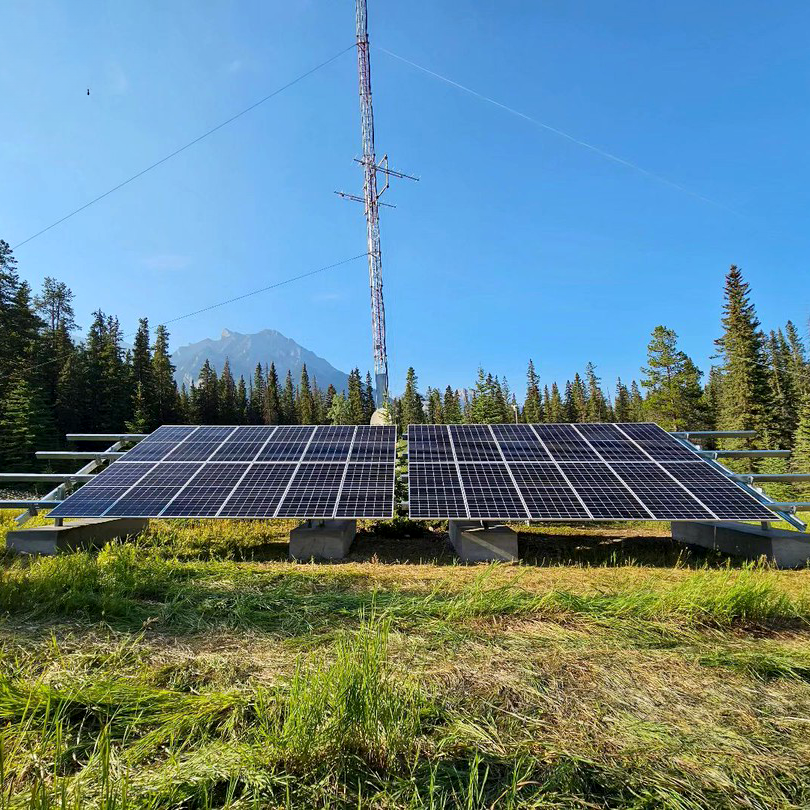
Alberta's exceptional sunshine, particularly in the south, means commercial installations produce 1,250 to 1,450 kWh per kW installed annually, depending on location and array orientation. A 100 kW rooftop or ground-mount system can offset $25,000 to $45,000 in annual electricity costs.
Who We Serve: Commercial Solar Use Cases
Warehouses & Industrial
Large flat or low-slope rooftops are ideal for commercial solar. High electricity loads during business hours align perfectly with peak solar production.
Agricultural & Farms
Alberta farms often have large land and building areas, low shading, and high electricity bills from irrigation, grain drying, and livestock operations. Ground-mount and rooftop systems both work well.
Office & Retail
Office buildings, strip malls, and retail properties with south-facing rooftop space can offset a significant portion of HVAC and lighting costs.
Multi-Family & Strata
Apartment buildings and strata developments can add rooftop solar to offset common-area electricity costs, reducing strata fees and improving property value.
Schools & Non-Profits
Educational institutions and non-profits often have good solar conditions and stable long-term electricity demand, making solar one of the strongest ROI investments available.
Industrial & Oil & Gas
Remote operations, pump stations, and industrial facilities can use solar (with battery backup) to reduce diesel generator costs and grid dependency.
Commercial Solar Incentives in Alberta
Commercial solar in Alberta has access to a broader set of financial incentives than residential. Here's an overview:
| Incentive | Who Qualifies | Benefit | Current Status |
|---|---|---|---|
| Net Billing (Micro-Generation) | Systems under 150 kW | Full retail-rate credits for excess exports | ✓ Active, all Alberta |
| CCA Class 43.2 (Federal) | All businesses | 100% first-year capital cost deduction for clean energy | ✓ Active |
| Investment Tax Credit (Clean Technology) | Corporations | 30% refundable ITC on qualifying clean energy equipment | ✓ Active (post-2023) |
| CEIP, Municipal Program | Select municipalities | Low-interest financing, 3–6% depending on city | ⚠ Varies by municipality |
| GST/HST Rebate | GST-registered businesses | Full input tax credit on solar equipment purchase | ✓ Active |
| Canada Growth Fund / SDTC | Larger commercial | Grants and financing for larger commercial renewable projects | ⚠ Application-based |
Tax incentives should be reviewed with a qualified accountant. Eligibility varies by project size, ownership structure, and tax position.
Rooftop vs. Ground-Mount: What's Right for Your Property?
Commercial solar comes in two primary configurations:
Rooftop systems are ideal for buildings with large, unshaded south-facing roof areas. They use existing structural space without consuming land, are easier to permit in most municipalities, and can be designed to minimize building penetrations.
Ground-mount systems work well for agricultural properties, industrial sites with open land, and situations where rooftops are unavailable or unsuitable. They offer greater design flexibility, easier maintenance access, and can be oriented and tilted for optimal production regardless of building orientation.
For larger commercial applications (50+ kW), a detailed site assessment is essential to determine which configuration delivers the best production and ROI for your specific property.
How the Commercial Solar Process Works
Free Commercial Solar Assessment
We review your electricity bills, facility plans, and utility connection details to build a preliminary production and savings model, at no cost.
Detailed System Design & Incentive Review
Our engineers design your commercial system and our team maps out all applicable incentives, federal, provincial, and municipal, specific to your business and location.
Installation, Permitting & Activation
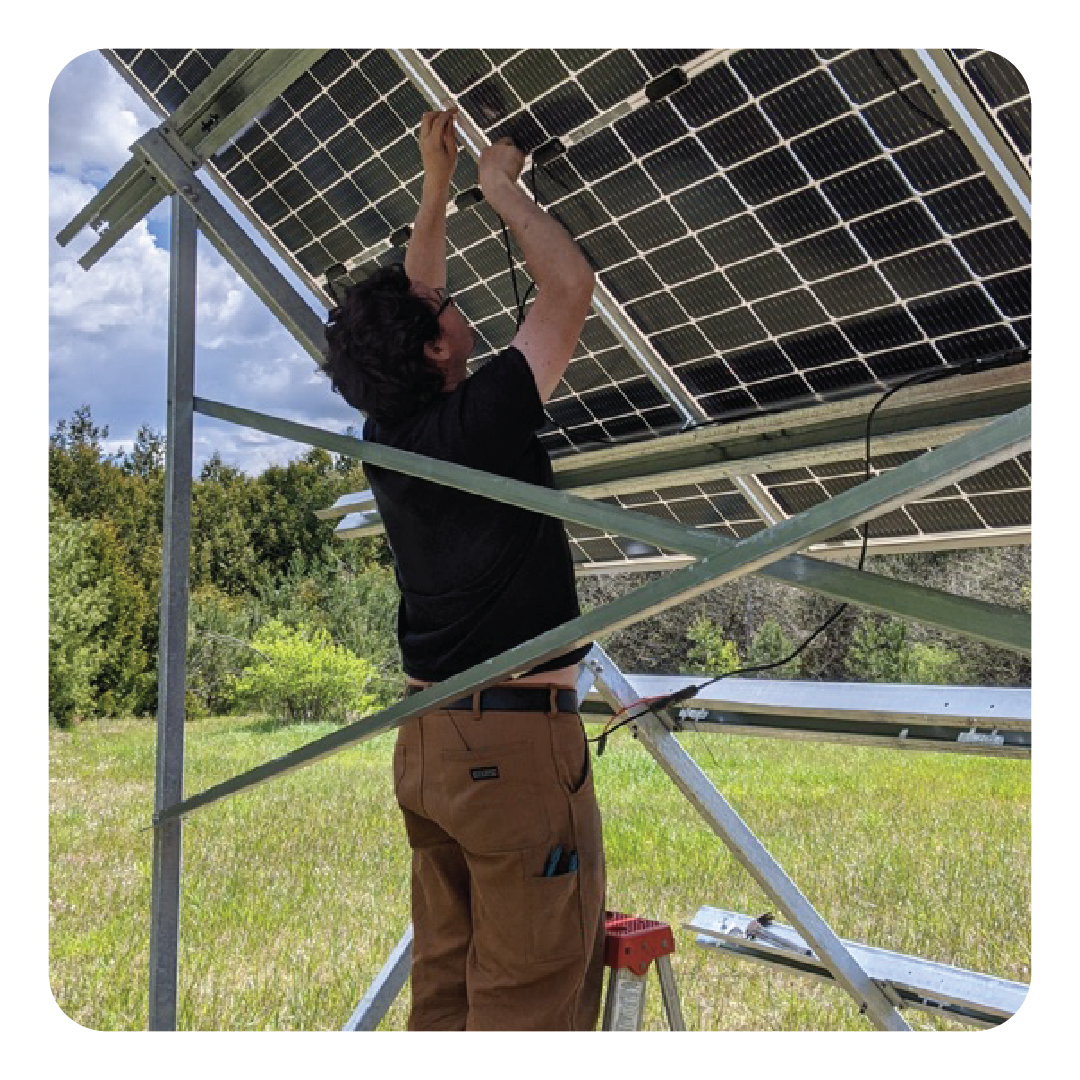
We coordinate all permits, utility interconnection, and installation, managing the full process from signed proposal to final utility activation and net billing enrollment.
Commercial Solar FAQ
Alberta's Micro-Generation Regulation covers systems up to 150 kW for retail-rate net billing. For larger systems (up to 5 MW), the Energy Storage and Renewable Electricity Regulation (ESRER) provides a different framework. Commercial systems above 150 kW can still generate electricity and reduce consumption costs, but the export credit mechanism differs.
Commercial payback periods in Alberta typically range from 7 to 12 years on a cash basis, compared to 11 to 14 years for residential. The improvement comes from higher electricity consumption (better self-consumption rates), CCA Class 43.2 tax deductions, and the federal 30% Investment Tax Credit for qualifying businesses. After payback, 15 to 20+ years of near-zero electricity cost follows.
Yes, with landlord consent. We've worked on many commercial leased-property installations where the tenant benefits from reduced electricity costs. The arrangement requires a solar lease or purchase agreement with landlord approval, and a clear understanding of the residual value at lease end. We can help structure the agreement appropriately.
Capital Cost Allowance Class 43.2 allows Canadian businesses to deduct 100% of eligible clean energy equipment costs in the first year of installation (through Accelerated Investment Incentive). Solar panels, inverters, racking, and associated electrical work typically qualify. This significantly reduces after-tax cost of a commercial solar installation. Consult your accountant to confirm eligibility for your business structure.
Yes. Alberta farms may access AgriInvest and certain federal agricultural program funding for renewable energy projects, in addition to standard commercial incentives. Ground-mount systems on agricultural land may have specific considerations under the Agricultural Land Use Bylaw. We assess all applicable incentives as part of our commercial solar assessment.
Get Your Free Commercial Solar Assessment
We'll model your facility against actual utility rates, available incentives, and realistic production data, giving you the numbers you need to make an informed decision.