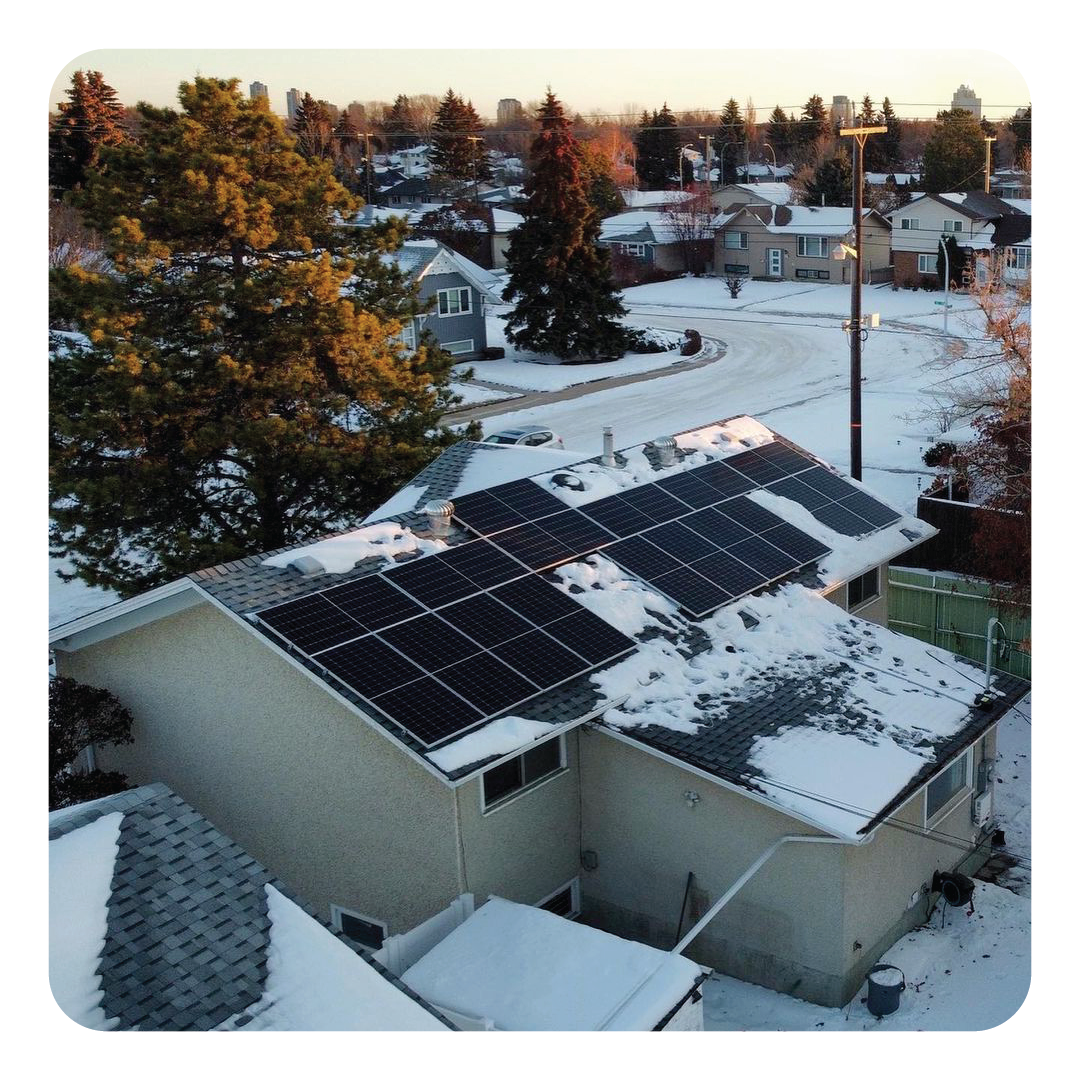
Alberta's solar market has grown quickly, and with that growth has come a range of installer quality. Some companies have strong local track records, clear documentation, and licensed electrical crews. Others lead with aggressive pricing, vague production promises, and disappear after installation if something goes wrong. Here are the questions that separate one from the other.
1. Are your electricians licensed in Alberta?
Solar installation involves electrical work that must be performed by a licensed journeyman electrician or apprentice under supervision. In Alberta, this means certification through ABSA or the provincial trade authority. Ask directly and ask to see proof. If the answer is vague or the installer says they use subcontractors but can't confirm licensing status, that's a concern.
2. Will you pull the building permit?
Building permits are required for solar installations in virtually every Alberta municipality. A reputable installer pulls the permit as part of the project and submits it before work begins. If a company offers to skip the permit or suggests it's optional, decline. An unpermitted installation can create problems at resale and may not be covered by your home insurance.
3. What does the production estimate assume?
Every solar proposal includes a projected annual production figure. Ask what assumptions are behind it: what irradiance data set they're using, whether they've accounted for shading from your specific roof and surroundings, and whether the number reflects actual panel orientation and tilt. A credible installer uses site-specific data, not a generic Alberta average. Ask to see the shading analysis.
4. Who handles the CEIP application if it's available in my city?
If your municipality has an active CEIP program, the application requires a qualified solar proposal and specific documentation. A good installer prepares CEIP-ready paperwork and supports the application from submission through approval. If the installer isn't familiar with CEIP or says you need to handle the application yourself, that's a gap in service.
5. What happens if something goes wrong after installation?
Ask about the warranty structure: panel product warranty (typically 25 years on output), inverter warranty (typically 10 to 12 years), workmanship warranty on the installation itself (1 to 10 years depending on company), and who you call if there's a production issue 3 years from now. Local presence matters here. A national company with no Alberta office is harder to hold accountable than a team that's been operating in your city for years.
6. Can I see references from installations in my city or neighbourhood?
Reputable installers should be able to point you to local customers who have agreed to be references, or to documented case studies. Production numbers from nearby installations are the most useful because they account for local irradiance, roof conditions, and utility interconnection experience. Ask for real numbers, not just testimonials.
7. What's included in this price and what isn't?
Get a written breakdown of what the quote covers: panels, inverter, racking, electrical work, permit fees, utility interconnection application, and any CEIP documentation. Understand what might cost extra: roof repairs, electrical panel upgrades, additional conduit runs. A quote that looks low sometimes excludes items that add up significantly.
One general signal: a trustworthy installer welcomes detailed questions and provides clear written answers. If you feel rushed, pressured to decide before seeing full documentation, or unable to get straight answers to the questions above, trust that feeling and keep looking.
Ready to See the Numbers for Your Home?
Get a free site-specific estimate with projected savings, financing options, and break-even timeline, no pressure, no obligation.